
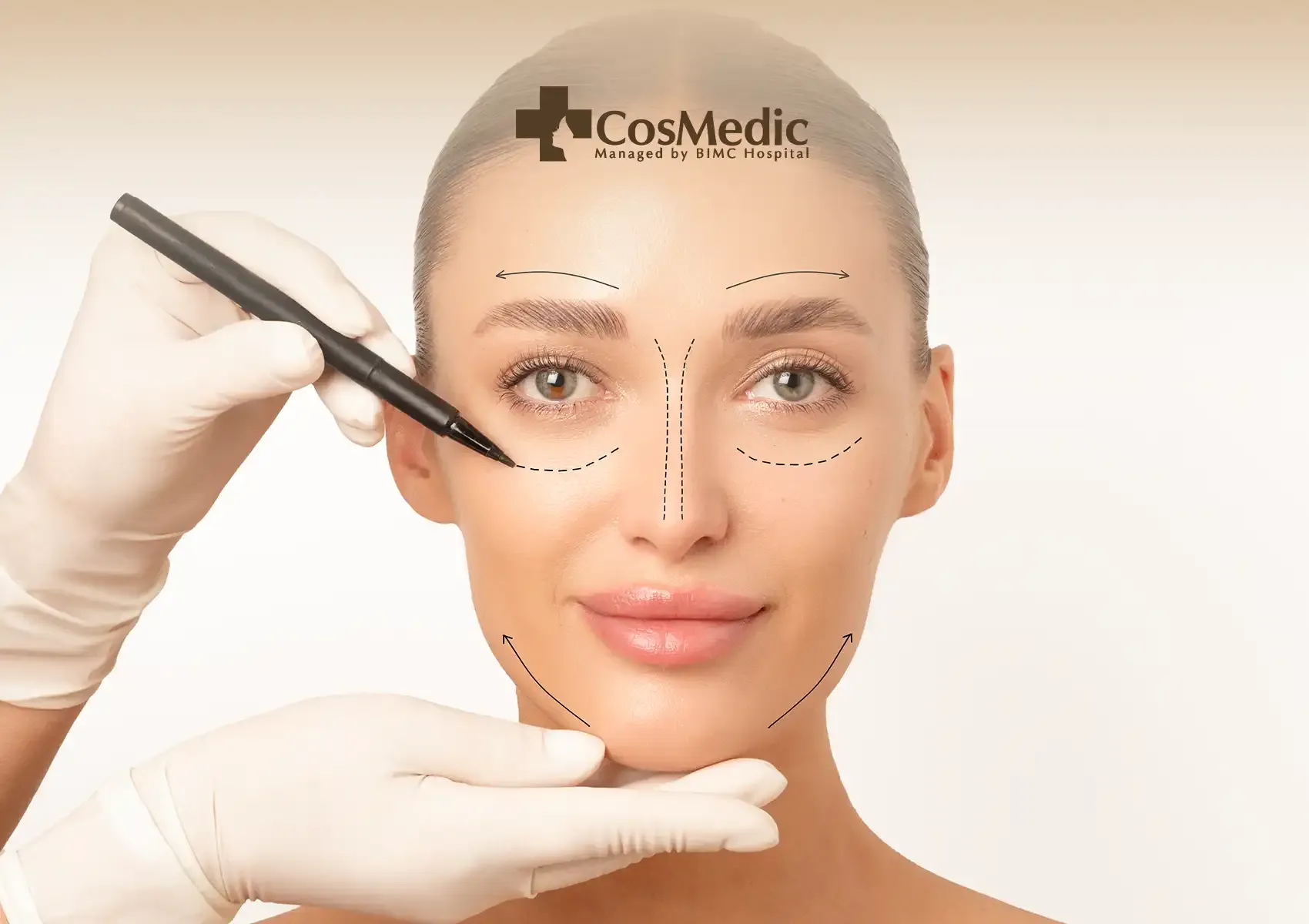
People considering plastic surgery in Bali usually want to know one thing first: is it safe? The honest answer is that it depends less on the island than on where the surgery is done and who performs it. Bali has fully accredited, international-standard hospitals alongside a wide range of smaller venues, and the gap between them matters. If you are weighing up whether plastic surgery is safe in Bali, the useful questions are practical ones. Is the setting an accredited hospital? Is the surgeon a credentialed specialist? What follows looks at both, plainly and without overselling.
It Depends on the Setting and the Surgeon
Plastic surgery in Bali can be safe when it is performed in an accredited hospital by a qualified plastic surgeon, supported by a full anaesthesia and nursing team. That combination is what makes an operation predictable rather than a gamble.
Risk rises when surgery occurs in settings lacking hospital-grade oversight or in settings where practitioners' training cannot be verified. Most complications are not caused by the destination. They come from the standard of care in the room. Choosing where you are treated is one of the most important decisions you will make.
The Standards Behind Accreditation
Accreditation is not simply a marketing term. It is an independent assessment of whether a healthcare organisation meets defined standards for quality and safety, followed by processes designed to support ongoing improvement. The Australian Council on Healthcare Standards International (ACHSI) assesses hospitals against internationally recognised standards through external evaluation and periodic review. BIMC CosMedic sits within BIMC Hospital Nusa Dua, the first hospital in Indonesia to receive ACHSI international accreditation in 2014, with its accreditation subsequently renewed.
Hospital-Grade Standards Versus a Standalone Clinic
The setting matters when choosing where to have surgery. An accredited hospital provides dedicated operating theatres, monitored recovery, trained clinical staff, and systems for responding if additional medical care is needed.
This does not mean every standalone clinic is unsafe, but an accredited hospital offers important infrastructure and support to consider alongside the surgeon, procedure, and aftercare.
Anaesthesia and Emergency Backup
Surgery under general anaesthesia needs a qualified anaesthetist, not only a surgeon. It also needs the equipment and team to respond quickly in the rare event of a complication. This is quite the infrastructure you hope never to use, and it is why accreditation comes first.
How to Read a Plastic Surgeon's Credentials
In Indonesia, a qualified plastic surgeon holds the Sp.B.P.R.E designation, marking specialist training in plastic, reconstructive, and aesthetic surgery. This is different from a general practitioner offering cosmetic treatments.
A credentialed surgeon will be transparent about their training, registration, and the procedures they regularly perform. You can review the qualifications of each plastic surgeon at BIMC CosMedic before booking, then ask about their experience with the procedure you have in mind, whether that is eyelid surgery, a facelift and neck lift, a tummy tuck, liposuction, or breast augmentation. A good specialist will also tell you honestly when a procedure is not right for you, which is often as valuable as a yes.
The Risks Worth Understanding
Every surgical procedure carries some risk, and a considered clinic will explain those risks rather than gloss over them. Common risks can include infection, bleeding, reactions to anaesthesia, changes in sensation, and results that may require revision. Serious complications can occur even when surgery is performed by qualified professionals in an accredited hospital setting, although appropriate standards, planning, and clinical care help support patient safety.
Understanding what surgery can and cannot achieve is also an important part of the consultation. A single procedure is designed to address a specific feature or area; it does not change everything at once. At BIMC CosMedic, Crisalix 3D imaging and simulation can be used where appropriate to help patients and surgeons visualise a potential outcome and discuss realistic expectations. It is a planning and visualisation tool, not a guarantee of the final result.
Recovery, Aftercare, and Flying Home Safely
Recovery timelines vary by procedure and by patient. Most people need a period of rest before they are ready to travel, and some operations call for a longer stay than a typical holiday allows. Flying too soon after certain surgeries can raise the risk of clots and swelling, so timing matters. At BIMC CosMedic, most surgical patients stay in private accommodation for five to fourteen days, and planning ten to fourteen days on the island gives time for stitches to be removed and the surgeon to clear you to fly home.
Good aftercare is part of safety, not an add-on. The nursing team visits daily during admission, the surgeon reviews you at least twice after discharge. Recovery is usually more comfortable in a quiet, private space, away from busy tourist areas.
How to Verify a Clinic Before You Book
A few checks tell you most of what you need to know. Confirm that surgery takes place in an accredited hospital rather than an unlicensed venue. Ask for the surgeon's full name and specialist registration, and verify it independently. Ask who provides anaesthesia and what happens if a complication arises.
It also helps to see clearly what a clinic offers. You can review the range of surgical procedures at BIMC CosMedic to understand what is involved before your consultation. Clear answers are a good sign. Vague ones are worth pausing over.
Common Questions About Plastic Surgery Safety in Bali
Is Plastic Surgery in Bali Safe?
Yes, when it is carried out in an accredited hospital by a qualified plastic surgeon. Bali itself is not the concern. The real risk is an unaccredited venue or an unverified surgeon, which careful checks help you avoid.
What Should I Check Before Choosing a Surgeon?
Confirm their Sp.B.P.R.E specialist qualification, their hospital affiliation, and their experience with your specific procedure. Ask to see realistic examples of their work.
How Long Should I Stay in Bali After Surgery?
It depends on the procedure. Many patients are advised to stay for one to two weeks, so follow-up can happen before they fly. Your surgeon will give guidance based on your case.
Have Your Safety Questions Answered First
If you are still asking whether plastic surgery is safe in Bali, that instinct to check is a good one. Our international patient concierge can talk you through accreditation, surgeon credentials, and what to expect, with no pressure to decide. You can reach us through our contact page or by WhatsApp, and we typically reply within 24 hours.